Introduction
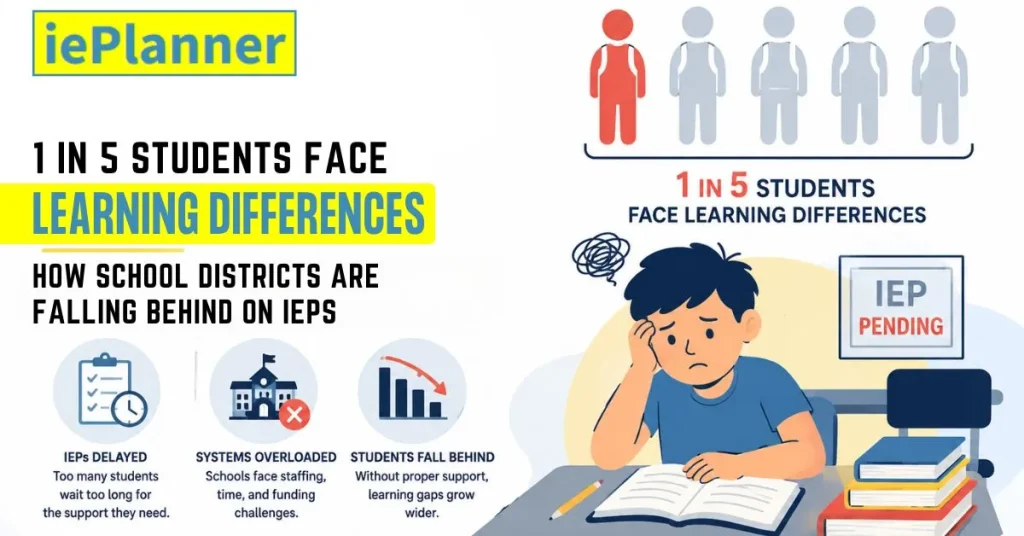
Did you know that 1 in 5 students experiences a learning difference that can impact their academic performance? These learning differences may include dyslexia, ADHD, autism spectrum disorder, speech and language disorders, intellectual disabilities, or other developmental challenges. While every child has the potential to succeed, many require individualized support to reach their full potential.
For school districts, meeting these diverse learning needs is becoming increasingly challenging. Rising student populations, limited resources, administrative burdens, and outdated paper-based systems often result in delayed or ineffective Individualized Education Programs (IEPs). As a result, many students are not receiving the timely support they need.
Modern IEP Management Software and Special Education Management Software are helping schools overcome these challenges by streamlining processes, improving collaboration, and ensuring that every student receives personalized educational support.
Understanding Learning Differences
Learning differences affect how students process, understand, retain, and communicate information. They do not reflect a student’s intelligence but rather the way they learn.
Common learning differences include:
- Dyslexia
- Dyscalculia
- Dysgraphia
- Autism Spectrum Disorder (ASD)
- ADHD
- Speech and language disorders
- Intellectual disabilities
- Sensory impairments
Students with these differences often benefit from specialized teaching strategies, accommodations, and individualized learning plans.
Why Individualized Education Programs (IEPs) Matter
An Individualized Education Program (IEP) is a personalized educational plan developed for students who require specialized instruction and support.
A well-designed IEP helps educators:
- Identify student strengths and challenges
- Set measurable learning goals
- Provide classroom accommodations
- Monitor progress regularly
- Improve communication between teachers and families
- Ensure every student receives appropriate educational services
When implemented effectively, IEPs empower students to participate fully in the classroom and achieve meaningful educational outcomes.
Why School Districts Are Falling Behind on IEPs
Despite their importance, many school districts struggle to manage IEPs effectively.
1. Increasing Student Numbers
As awareness of learning differences grows, more students are being identified as needing individualized support. This has significantly increased the workload for special education teams.
Managing hundreds—or even thousands—of IEPs manually can quickly become overwhelming.
2. Administrative Burden
Creating, updating, reviewing, and maintaining IEP documentation requires significant administrative effort.
Teachers often spend hours:
- Completing paperwork
- Updating student records
- Scheduling meetings
- Preparing reports
- Monitoring compliance deadlines
This administrative workload reduces valuable teaching time.
3. Limited Collaboration
Successful special education depends on collaboration between:
- General education teachers
- Special educators
- Therapists
- School psychologists
- Administrators
- Parents
Without centralized systems, communication becomes fragmented, leading to inconsistent support for students.
4. Difficulty Tracking Student Progress
Monitoring progress toward individualized goals is essential.
Many schools still rely on spreadsheets or paper records, making it difficult to:
- Track student growth
- Analyze performance data
- Measure intervention effectiveness
- Adjust teaching strategies quickly
Delayed access to information can slow educational decision-making.
5. Compliance Challenges
Schools must meet strict timelines for:
- Initial evaluations
- Annual IEP reviews
- Progress reporting
- Parent meetings
- Documentation
Missing deadlines or maintaining incomplete records can create compliance issues while impacting student support.
How Special Education Management Software Solves These Challenges
Modern Special Education Management Software helps schools streamline every stage of the IEP process.
Centralized Student Records
Educators can securely access:
- Student profiles
- Assessments
- Learning goals
- Accommodations
- Therapy notes
- Progress reports
Having everything in one platform eliminates duplicate records and improves efficiency.
Simplified IEP Management
Digital IEP management enables schools to:
- Create standardized IEP templates
- Update goals instantly
- Track revisions
- Schedule annual reviews
- Maintain historical records
Automation reduces paperwork while improving accuracy.
Real-Time Progress Monitoring
Integrated dashboards allow educators to monitor:
- Academic growth
- Behavioral development
- Attendance
- Goal achievement
- Intervention outcomes
Data-driven insights support timely instructional adjustments.
Better Collaboration
Cloud-based platforms enable teachers, therapists, administrators, and parents to communicate more effectively.
Everyone involved can access updated information, ensuring students receive consistent support across educational settings.
Automated Compliance Management
Software automatically tracks important deadlines and generates reminders for:
- IEP reviews
- Assessments
- Parent meetings
- Progress reports
- Compliance documentation
This significantly reduces administrative stress while helping schools remain compliant.
Benefits for Students
When schools use effective IEP Management Software, students experience:
- Faster access to educational support
- More personalized learning
- Better academic outcomes
- Increased classroom participation
- Improved confidence
- Stronger communication between school and home
Technology helps ensure that every child receives the attention and support they deserve.
Benefits for Educators
Teachers and special education professionals benefit through:
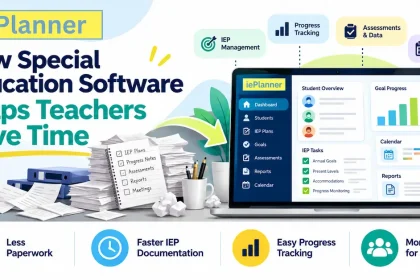
- Reduced paperwork
- Improved workflow efficiency
- Easier progress monitoring
- Faster report generation
- Better collaboration
- More time for teaching
Instead of managing documents, educators can focus on student success.
The Future of Inclusive Education
Inclusive education continues to evolve as schools adopt digital technologies to improve learning outcomes.
Artificial Intelligence, cloud-based collaboration, predictive analytics, and automated reporting are transforming how educational institutions manage special education services.
Schools that invest in modern Software for Inclusive Education are better equipped to provide equitable learning opportunities while improving efficiency and compliance.
How IE Planner Helps Schools Stay Ahead
IE Planner is designed to simplify special education management by providing schools with an all-in-one platform for IEP planning, student assessments, progress tracking, documentation, and collaboration.
With centralized records, automated workflows, and real-time reporting, IE Planner helps educators reduce administrative work while improving personalized support for students with diverse learning needs.
Whether managing a small school or a large district, IE Planner empowers educators to deliver inclusive, student-centered education with confidence.
Conclusion
With 1 in 5 students experiencing learning differences, the demand for effective special education support has never been greater. Yet many school districts continue to struggle with outdated systems, growing caseloads, and increasing administrative responsibilities.
By adopting modern Special Education Management Software, schools can streamline IEP management, improve collaboration, monitor student progress, and ensure every learner receives the individualized support they need. Investing in digital solutions like IE Planner is not just about improving efficiency—it is about creating inclusive classrooms where every student has the opportunity to succeed.