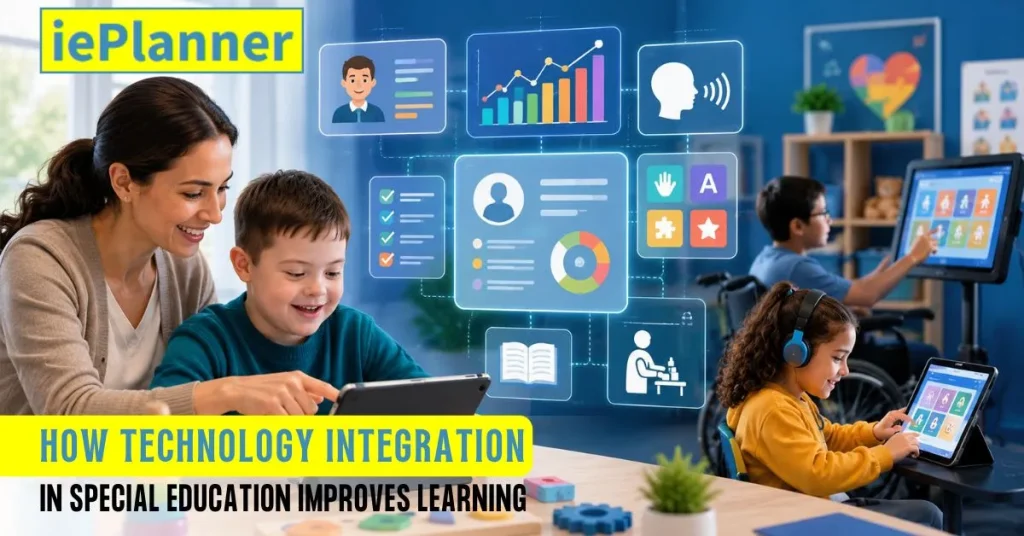
Technology has transformed the way education is delivered across the world, and special education is no exception. Today, educators, therapists, and institutions are increasingly using digital tools and software platforms to support children with special needs more effectively.
From assessment and intervention planning to communication and progress tracking, technology integration in special education has significantly improved learning experiences for both students and professionals.
Modern special education technology not only simplifies administrative work but also creates more personalized, engaging, and accessible learning environments for children with developmental, behavioral, and learning challenges.
What is Technology Integration in Special Education?
Technology integration in special education refers to the use of digital tools, software, devices, and online platforms to support teaching, therapy, assessment, communication, and individualized learning for students with special needs.
These technologies may include:
- Special education software
- Online assessment tools
- IEP management systems
- Assistive communication devices
- Educational apps
- Speech therapy software
- Occupational therapy tools
- Interactive learning platforms
The goal is to improve educational outcomes while making learning more accessible, structured, and engaging.
Why Technology is Important in Special Education
Every child with special needs learns differently. Traditional teaching methods may not always meet the unique developmental and learning requirements of students with disabilities or developmental concerns.
Technology helps educators and therapists create customized learning experiences according to individual needs.
Key Benefits of Technology Integration in Special Education
1. Personalized Learning Experiences
Technology allows teachers and therapists to design individualized learning programs based on the student’s:
- Learning style
- Developmental level
- Therapy requirements
- Academic abilities
- Behavioral needs
This helps improve engagement and learning outcomes.
2. Better Communication Support
Many children with special needs face communication challenges. Assistive technologies and communication tools help students express themselves more effectively.
Examples include:
- Speech-generating devices
- Visual communication apps
- AAC (Augmentative and Alternative Communication) tools
- Interactive language learning software
These tools improve participation and social interaction.
3. Improved Assessment and Progress Tracking
Technology makes assessment and monitoring more accurate and efficient.
Digital systems help professionals:
- Track developmental progress
- Maintain assessment records
- Generate reports
- Monitor IEP goals
- Analyze intervention outcomes
This allows teachers and therapists to make data-driven decisions.
4. Increased Student Engagement
Interactive digital content often improves attention and motivation among students with special needs.
Students are more likely to engage with:
- Interactive games
- Audio-visual learning materials
- Touchscreen activities
- Virtual learning exercises
Technology helps make learning more enjoyable and less stressful.
5. Enhanced Collaboration Between Professionals and Parents
Technology integration improves communication between:
- Teachers
- Therapists
- Coordinators
- Parents
- Administrators
Online platforms allow all stakeholders to access reports, progress updates, and intervention plans from a centralized system.
Role of Special Education Software in Learning Improvement
Special education software has become one of the most valuable tools for educators and therapy professionals.
These platforms help institutions manage:
- Student records
- Assessments
- Therapy programs
- IEP goals
- Session planning
- Progress reports
- Intervention documentation
By reducing paperwork and administrative workload, professionals can focus more on student development and learning support.
How IEPlanner Supports Technology Integration in Special Education
IEPlanner is an advanced special education software designed to simplify assessment, intervention planning, therapy management, and progress tracking for children with special needs.
The platform helps professionals:
- Create Individualized Education Programs (IEPs)
- Manage speech and occupational therapy goals
- Conduct assessments
- Monitor progress systematically
- Generate reports
- Maintain centralized student records
IEPlanner acts as a digital tool for special education coordinators, teachers, therapists, and institutes looking to improve learning outcomes through technology-driven solutions.
Learn more about IEPlanner Software:
https://www.ieplanner.org.in/ieplanner-software.php
Technology Tools Commonly Used in Special Education
Assistive Technology
Assistive devices help students perform tasks that may otherwise be difficult due to physical, cognitive, or communication challenges.
Examples include:
- Speech-to-text tools
- Screen readers
- Adaptive keyboards
- Communication devices
Interactive Learning Platforms
Interactive educational software improves engagement and skill development through visual and activity-based learning methods.
Online Assessment Systems
Digital assessment tools help professionals evaluate developmental skills and track improvement over time.
Therapy Management Software
Speech therapy and occupational therapy software help professionals manage goals, schedules, reports, and intervention strategies efficiently.
Challenges in Technology Integration
While technology offers many advantages, institutions may also face challenges such as:
- Lack of training
- Budget limitations
- Resistance to change
- Limited digital infrastructure
- Data privacy concerns
Proper training and implementation strategies are important for successful technology adoption.
Future of Technology in Special Education
Technology in special education is expected to continue evolving rapidly with:
- AI-powered learning systems
- Virtual therapy platforms
- Smart assessment tools
- Real-time progress analytics
- Personalized learning algorithms
These advancements will help educators provide more effective and individualized support for students with special needs.
Conclusion
Technology integration in special education has transformed how educators and therapists assess, teach, communicate, and monitor progress for children with special needs.
Digital tools and software platforms improve learning experiences by making education more personalized, engaging, and accessible.
Platforms like IEPlanner help institutions and professionals simplify assessment, intervention planning, and progress tracking through centralized and technology-driven special education solutions.
As technology continues to evolve, its role in improving inclusive education and student development will become even more important.