Introduction
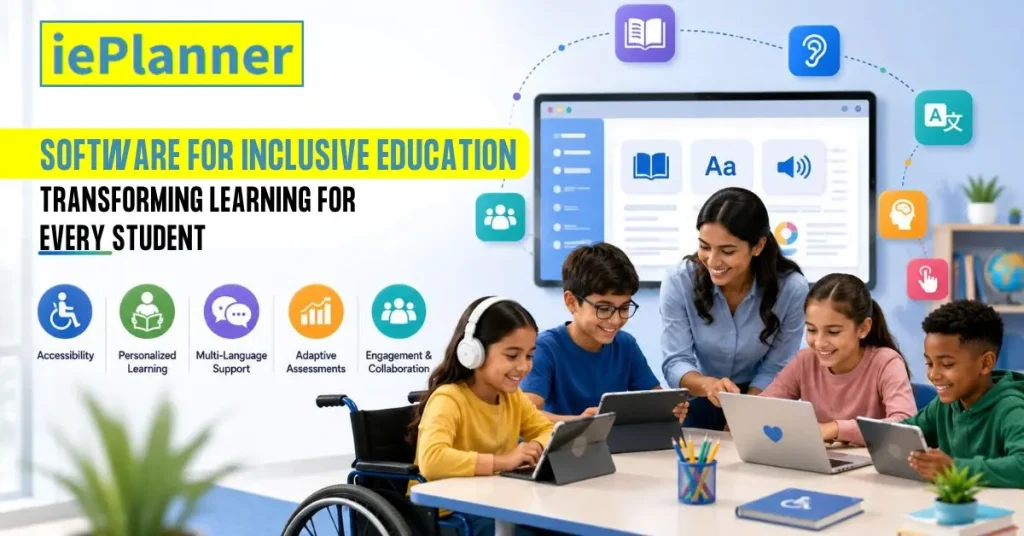
Education should be accessible to every learner, regardless of their abilities, learning styles, or individual needs. As schools and educational institutions embrace diversity, the demand for effective software for inclusive education continues to grow. Technology is playing a vital role in creating learning environments where all students can participate, engage, and succeed.
Inclusive education software helps educators accommodate students with different learning abilities, disabilities, language barriers, and educational requirements. By providing personalized learning experiences and accessibility features, these solutions ensure that no learner is left behind.
What is Software for Inclusive Education?
Software for inclusive education refers to digital tools and platforms designed to support diverse learners in mainstream educational settings. These solutions help teachers create accessible learning experiences while enabling students to learn at their own pace and according to their individual needs.
The primary goal of inclusive education software is to remove barriers to learning and provide equal educational opportunities for all students.
Why Inclusive Education Matters
Inclusive education promotes equal access to quality learning and encourages participation from students of all backgrounds and abilities. It helps:
- Foster diversity and acceptance in classrooms
- Improve academic outcomes for all learners
- Build confidence and independence among students
- Support students with disabilities and special educational needs
- Encourage collaborative learning and social development
Educational institutions worldwide are increasingly adopting technology-driven approaches to make learning more inclusive and effective.
Key Features of Software for Inclusive Education
1. Accessibility Tools
Modern inclusive education software includes accessibility features such as:
- Text-to-speech functionality
- Speech-to-text conversion
- Screen reader compatibility
- Adjustable font sizes and colors
- Keyboard navigation support
These features help students with visual, hearing, motor, or learning impairments access educational content more easily.
2. Personalized Learning Paths
Every student learns differently. Inclusive education software allows educators to create customized learning journeys based on individual strengths, challenges, and learning preferences.
3. Multi-Language Support
Language barriers can affect learning outcomes. Many inclusive education platforms provide multilingual support, enabling students to learn in their preferred language while improving comprehension and engagement.
4. Adaptive Assessments
Adaptive assessment tools automatically adjust question difficulty based on student performance, helping educators better understand learning progress and provide targeted support.
5. Collaboration and Communication Tools
Inclusive learning thrives on collaboration. Software solutions often include:
- Virtual classrooms
- Discussion forums
- Group projects
- Parent-teacher communication portals
- Real-time feedback systems
Benefits of Using Software for Inclusive Education
Improved Student Engagement
Interactive lessons, multimedia content, and gamified learning experiences keep students motivated and actively involved in the learning process.
Better Learning Outcomes
Personalized learning and accessibility features enable students to overcome challenges and achieve academic success.
Enhanced Teacher Efficiency
Teachers can manage lesson plans, track student progress, and provide individualized support more efficiently through digital platforms.
Greater Accessibility
Students with disabilities can access educational materials independently, promoting confidence and equal participation.
Data-Driven Decision Making
Advanced analytics help educators identify learning gaps, monitor progress, and develop effective intervention strategies.
How Schools Can Implement Inclusive Education Software
Successful implementation requires:
- Assessing student needs and learning requirements.
- Selecting software that supports accessibility standards.
- Training educators on platform usage.
- Engaging parents and caregivers in the learning process.
- Continuously monitoring effectiveness and student outcomes.
A strategic approach ensures maximum benefits for both educators and learners.
The Future of Inclusive Education Technology
Emerging technologies such as Artificial Intelligence (AI), Machine Learning, and Learning Analytics are reshaping inclusive education. Future software solutions will provide even more personalized support, predictive insights, and adaptive learning experiences.
As educational institutions continue their digital transformation journey, investing in robust software for inclusive education will become essential for creating equitable and accessible learning environments.
Conclusion
Inclusive education is no longer just an educational goal—it is a necessity. The right software for inclusive education empowers schools, teachers, and students by removing learning barriers and promoting equal opportunities for all.
By leveraging innovative technology, educational institutions can create classrooms where every learner feels valued, supported, and capable of achieving their full potential.
If you are looking to build a more accessible and inclusive learning environment, investing in advanced software for inclusive education is a step toward a brighter and more equitable future for education.