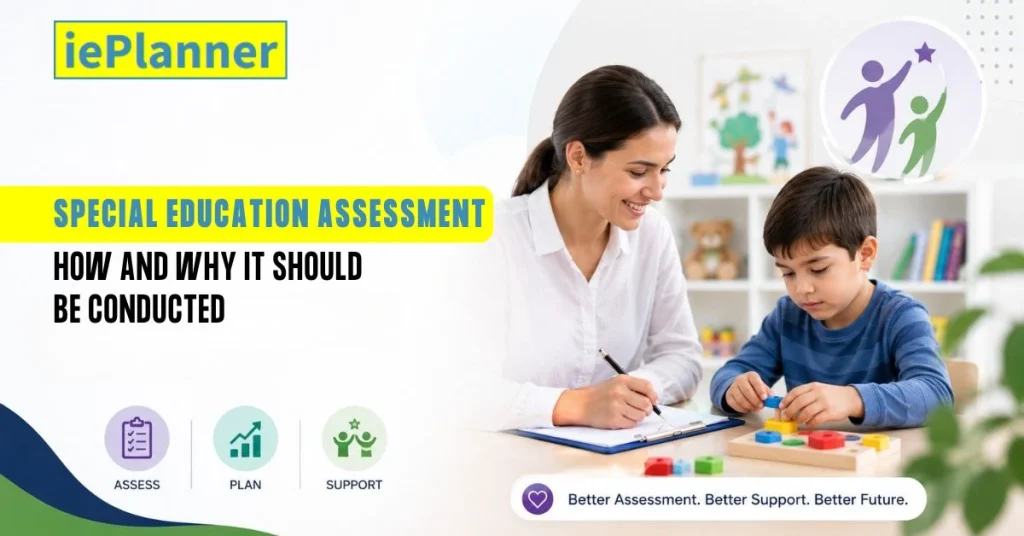
Special education assessment plays a vital role in understanding the learning, developmental, behavioral, and therapeutic needs of children with special needs. It is a systematic process used by educators, therapists, psychologists, and special education professionals to identify a child’s strengths, challenges, and required support strategies.
An effective assessment process helps create individualized intervention plans, therapy goals, and educational programs that support the child’s overall growth and development.
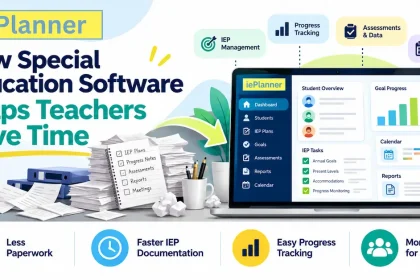
With the advancement of technology, many institutions are now shifting towards digital and online assessment systems that simplify evaluation, reporting, and progress tracking.
What is Special Education Assessment?
Special education assessment is a structured evaluation process conducted to determine a child’s:
- Learning abilities
- Communication skills
- Social interaction
- Behavioral patterns
- Motor skills
- Cognitive development
- Academic performance
- Functional independence
The main purpose of assessment in special education is to identify the exact support a child needs in educational, therapeutic, and developmental areas.
These assessments are conducted by professionals such as:
- Special educators
- Occupational therapists
- Speech therapists
- Psychologists
- Behavioral therapists
- Rehabilitation professionals
Why is Special Education Assessment Important?
Assessment is one of the most important foundations of special education planning. Without proper evaluation, it becomes difficult to create effective intervention programs or monitor developmental progress.
1. Identifies Individual Needs
Every child with special needs has unique strengths and challenges. Assessment helps professionals understand the child’s exact developmental requirements.
2. Supports Individualized Education Programs (IEPs)
Assessment data is essential for creating effective IEP goals and intervention plans tailored to the child’s abilities and developmental stage.
3. Helps in Early Intervention
Early identification of developmental delays or learning difficulties allows professionals and parents to begin intervention programs at the right time.
4. Tracks Progress Over Time
Regular assessments help measure improvement in communication, academics, motor skills, behavior, and social development.
5. Improves Collaboration
Assessment reports help teachers, therapists, coordinators, and parents work together with clear developmental goals and progress indicators.
How Should Special Education Assessment Be Conducted?
A proper assessment process should be systematic, evidence-based, and child-centered.
Step 1: Initial Observation
The process usually begins with observation and background information gathering from parents, teachers, and therapists.
Professionals analyze:
- Developmental history
- Academic performance
- Social behavior
- Communication skills
- Daily living abilities
Step 2: Standardized Assessment Tools
Professionals use structured assessment tools and scales to evaluate various developmental domains.
Common assessment areas include:
- Cognitive skills
- Language and speech
- Motor development
- Social interaction
- Adaptive behavior
- Sensory processing
- Academic readiness
Step 3: Goal Plannin
Based on assessment findings, professionals create:
- IEP goals
- Therapy goals
- Behavioral intervention plans
- Classroom strategies
- Home-based support recommendations
Step 4: Progress Monitoring
Assessment should not be a one-time process. Continuous monitoring helps evaluate whether interventions are effective and whether goals need modification.
Challenges in Traditional Assessment Systems
Many special education institutions still rely on paper-based documentation and manual reporting systems. This often creates challenges such as:
- Time-consuming documentation
- Difficulty tracking long-term progress
- Lack of centralized data
- Poor communication between professionals
- Limited accessibility to reports
These issues can affect the quality of intervention planning and student monitoring.
How Technology is Improving Special Education Assessment
Modern digital systems are transforming how professionals conduct assessments and manage intervention programs.
Technology helps in:
- Faster report generation
- Centralized student records
- Real-time progress tracking
- Data-driven intervention planning
- Better collaboration between educators and therapists
- Easy access to reports for parents and administrators
This has increased the demand for reliable special education software platforms.
How IEPlanner Software Helps in Special Education Assessment
IEPlanner Software is an advanced special education software designed to simplify assessment, intervention planning, therapy goal management, and progress tracking for professionals and institutions.
The platform acts as a centralized system for:
- Assessment management
- IEP planning
- Occupational therapy goals
- Speech therapy goals
- Progress monitoring
- Documentation and reporting
- Session timeline management
IEPlanner is widely used by:
- Special education professionals
- Schools and institutes
- Occupational therapists
- Speech therapists
- Early intervention centers
- Rehabilitation professionals
As a digital platform for special needs assessment and intervention planning, IEPlanner helps professionals save time, improve workflow efficiency, and deliver structured support programs for children with developmental needs.
Benefits of Using Digital Assessment Software
Better Accuracy
Digital systems reduce manual errors and improve report consistency.
Easy Progress Trackin
Professionals can compare pre- and post-intervention progress more effectively.
Centralized Access
Teachers, therapists, coordinators, and parents can access reports from a single platform.
Time-Saving Documentation
Automated reporting systems reduce paperwork and administrative workload.
Conclusion
Special education assessment is a crucial process for identifying developmental needs, planning interventions, and improving learning outcomes for children with special needs.
A systematic and technology-driven assessment approach helps professionals create better intervention plans, monitor progress efficiently, and improve collaboration among all stakeholders.
With advanced platforms like IEPlanner, institutions and professionals can simplify assessment management, therapy planning, and progress tracking through a centralized digital system designed specifically for special education and special needs support.